Global Health: A Worldwide Perspective
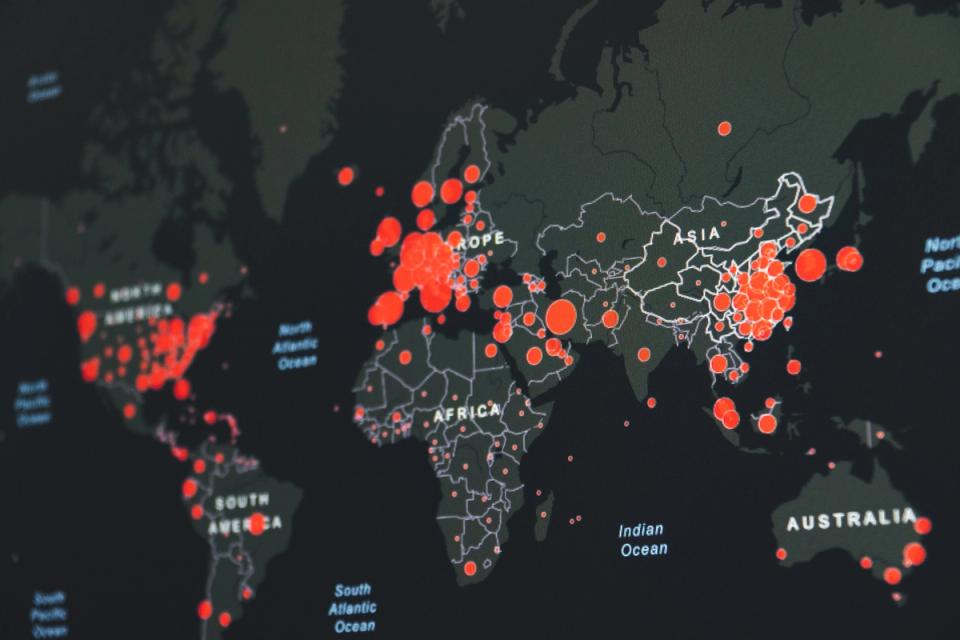
Global health is a comprehensive and collaborative approach to addressing health challenges on a worldwide scale. This article delves into the multifaceted aspects of global health, exploring strategies, initiatives, and collaborative efforts aimed at improving health outcomes for populations across the globe.
1. International Collaborations: Uniting Efforts for Health Equity
1.1 Multilateral Organizations
- Collaboration between organizations such as the World Health Organization (WHO), UNICEF, and the World Bank.
- Coordinating global health initiatives and responses.
1.2 Cross-Border Partnerships
- Collaborative efforts between countries to address shared health concerns.
- Information and resource sharing for effective health interventions.
2. Infectious Disease Control: Managing Global Threats
2.1 Pandemic Preparedness
- Developing and implementing strategies to respond to global pandemics.
- Coordinating surveillance, early detection, and rapid response.
2.2 Vaccination Campaigns
- Global initiatives to ensure widespread access to vaccines.
- Addressing vaccine distribution inequities.
3. Health Diplomacy: Bridging Health and Foreign Policy
3.1 Negotiating Global Health Agreements
- Engaging in diplomatic efforts to address health challenges.
- International treaties and agreements for health cooperation.
3.2 Humanitarian Aid
- Providing health assistance in crisis situations and conflict zones.
- Collaborating with non-governmental organizations (NGOs) for effective humanitarian responses.
4. Capacity Building in Low-Resource Settings: Empowering Communities
4.1 Strengthening Healthcare Infrastructure
- Investing in healthcare systems in resource-limited regions.
- Training healthcare professionals and improving medical facilities.
4.2 Public Health Education
- Promoting health literacy and education to empower communities.
- Building awareness of preventive measures and healthy behaviors.
5. Global Health Research: Advancing Knowledge for Global Impact
5.1 Epidemiological Studies
- Investigating disease patterns and determinants on a global scale.
- Informing strategies for disease prevention and control.
5.2 Collaborative Research Networks
- Engaging researchers from different countries to address global health challenges.
- Sharing data and expertise for comprehensive research outcomes.
Conclusion
Global health represents a shared commitment to address health challenges that transcend national borders. Through international collaborations, infectious disease control, health diplomacy, capacity building, and research initiatives, the global health community strives to create a healthier and more equitable world. As the field continues to evolve, a focus on collaborative, sustainable, and inclusive approaches remains crucial for achieving meaningful and lasting improvements in global health outcomes.