3 min read
Medicine
Exploring the Multifaceted Aspects of Medical Studies 2
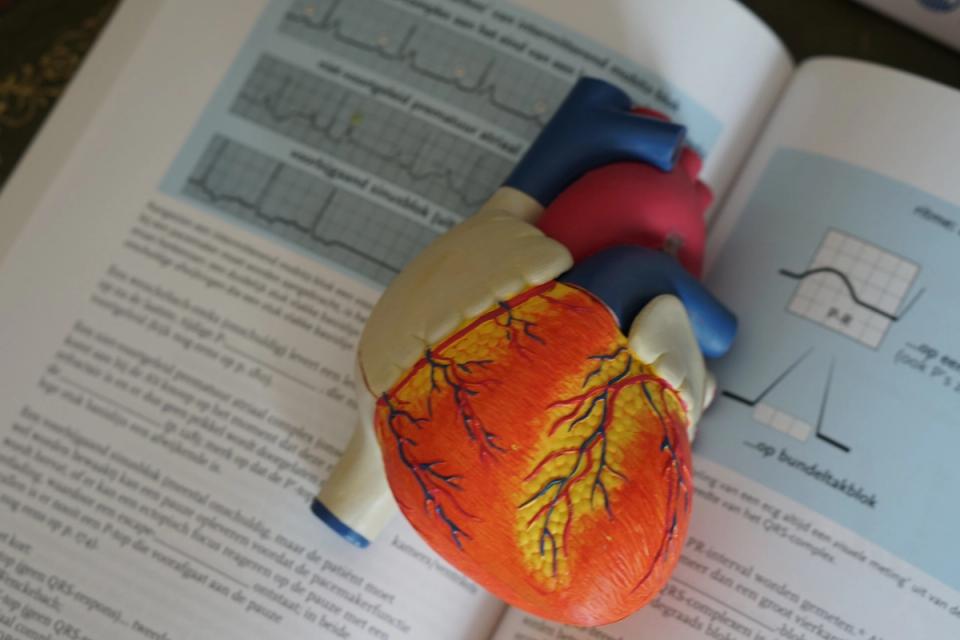
Medical studies are a dynamic journey encompassing a diverse array of disciplines and aspects. This article delves into the various facets that contribute to the comprehensive education and training of future healthcare professionals.
1. Preclinical Studies: Laying the Foundation
1.1 Anatomy
- Exploration of the body's structural intricacies.

1.2 Physiology
- Understanding the functions of living organisms.
1.3 Biochemistry

- Delving into the chemical processes within living organisms.
2. Clinical Studies: Bridging Theory and Practice
2.1 Clinical Medicine
- Direct patient care, diagnosis, and treatment.
2.2 Pharmacology
- Study of drugs, their mechanisms, and therapeutic uses.
2.3 Pathology
- Examination of diseases, their causes, and effects.
3. Clinical Skills Development: Nurturing Expertise
3.1 Physical Examination
- Mastery of a thorough patient examination.
3.2 Communication Skills
- Developing effective doctor-patient communication.
3.3 Diagnostic Skills
- Interpreting symptoms, signs, and diagnostic tests.
4. Medical Specialties: Focused Expertise
- Surgery: Performing surgical procedures.
- Internal Medicine: Diagnosis and treatment of internal diseases.
- Pediatrics: Focused on the health of children.
- Obstetrics and Gynecology: Women's health and childbirth.
- Psychiatry: Mental health and behavioral disorders.
5. Medical Ethics and Law: Navigating Complexities
5.1 Bioethics
- Addressing ethical issues in medicine and research.
5.2 Medical Jurisprudence
- Understanding legal aspects of healthcare.
6. Research and Academia: Advancing Knowledge
6.1 Clinical Research
- Conducting studies to improve medical knowledge.
6.2 Medical Education
- Training future healthcare professionals.
7. Public Health: Promoting Well-Being
7.1 Epidemiology
- Studying patterns and causes of diseases in populations.
7.2 Health Policy
- Developing and implementing healthcare policies.
8. Global Health: A Worldwide Perspective
8.1 International Medicine
- Addressing health issues on a global scale.
8.2 Medical Missions
- Providing healthcare in underserved areas.
9. Continuing Medical Education (CME): Lifelong Learning
- Staying updated on medical advancements throughout one's career.
10. Technology and Medicine: Embracing Innovation
10.1 Health Informatics
- Use of technology to manage healthcare information.
10.2 Telemedicine
- Providing healthcare remotely through technology.
11. Interdisciplinary Collaboration: Team Approach
- Working with professionals from various healthcare disciplines.
12. Professionalism and Patient-Centered Care: Core Principles
- Emphasizing empathy, compassion, and patient advocacy.
Conclusion
The journey through medical studies is a rich tapestry woven with threads of diverse knowledge and skills. From the intricacies of human anatomy to the global perspectives of healthcare, each aspect contributes to the holistic development of medical professionals. As the landscape of medicine evolves, embracing these multifaceted aspects ensures that healthcare practitioners are well-equipped to navigate the challenges and complexities of the ever-advancing field of medicine.