Clinical Skills Development: Nurturing Expertise
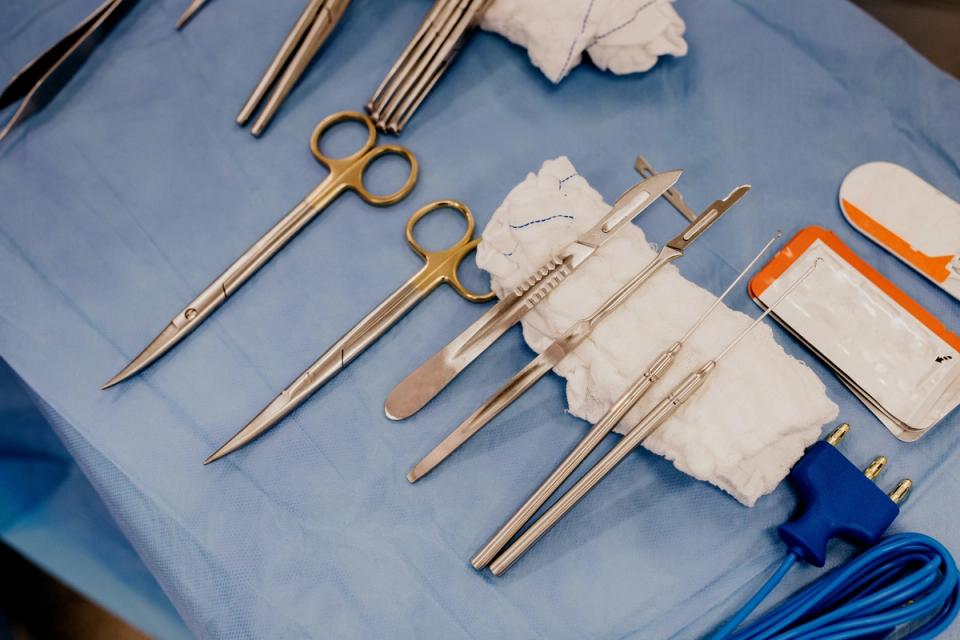
Clinical skills development is a pivotal aspect of medical education, shaping healthcare professionals into adept practitioners capable of providing comprehensive patient care. This article explores the essential components and strategies involved in nurturing clinical expertise.
1. Patient History Taking: Building the Foundation
1.1 Establishing Rapport
- Importance of creating a comfortable and open patient-doctor relationship.
- Building trust to encourage honest communication.
1.2 Systematic and Comprehensive History Collection
- Structured approach to gathering patient information.
- Identifying relevant medical, social, and family history.
2. Physical Examination: The Art of Observation
2.1 Inspection
- Visual examination of the patient for signs of health or illness.
- Recognition of abnormalities in appearance.
2.2 Palpation
- Hands-on examination to assess textures, temperatures, and abnormalities.
- Detection of swelling, tenderness, or masses.
2.3 Percussion and Auscultation
- Techniques for tapping and listening to sounds produced by the body.
- Assessing organ sizes and the functioning of the heart and lungs.
3. Diagnostic Imaging: Interpreting the Visual Data
3.1 X-rays
- Utilizing radiographic imaging to visualize bones and organs.
- Recognizing fractures, tumors, and other abnormalities.
3.2 CT Scans and MRIs
- Cross-sectional imaging for detailed views of soft tissues.
- Differentiating between various structures in the body.
3.3 Ultrasound
- Imaging using sound waves for real-time visualization.
- Assessing organ function and detecting abnormalities in pregnancy.
4. Communication Skills: Bridging the Gap
4.1 Active Listening
- Focused and attentive listening to patient concerns.
- Improving understanding and rapport.
4.2 Effective Questioning
- Asking relevant and open-ended questions.
- Extracting crucial information for diagnosis and treatment.
4.3 Empathy and Compassion
- Understanding and sharing the patient's feelings.
- Enhancing the doctor-patient relationship.
5. Interpreting Laboratory Results: Decoding Biomarkers
5.1 Blood Tests
- Understanding hematological and biochemical parameters.
- Correlating results with clinical conditions.
5.2 Microbiological Testing
- Identifying pathogens and determining antibiotic susceptibility.
- Interpreting culture and sensitivity reports.
5.3 Molecular Diagnostics
- Analyzing genetic and molecular information.
- Personalizing treatment based on genomic data.
Conclusion
Clinical skills development is an ongoing process that transforms medical students into proficient healthcare providers. The ability to gather comprehensive patient histories, perform thorough physical examinations, interpret diagnostic imaging and laboratory results, and communicate effectively is foundational to delivering high-quality, patient-centered care. As medical education evolves, the emphasis on nurturing clinical expertise ensures that healthcare professionals are well-prepared to navigate the complexities of diagnosis and treatment in an ever-advancing field.