2 min read
Anatomy
Anatomy for Medical Students: A Comprehensive Overview
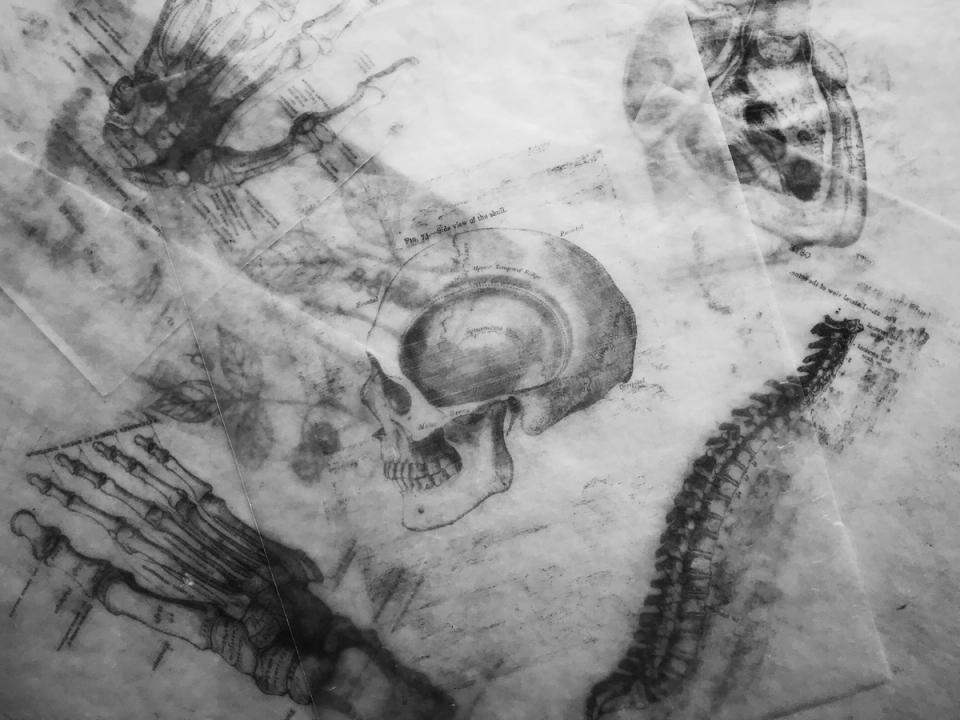
Understanding human anatomy is a fundamental cornerstone for medical students, forming the basis for diagnosing and treating various health conditions. This article aims to provide a comprehensive overview of key anatomical concepts for aspiring medical professionals.
1. Histology: The Study of Tissues
1.1 Epithelial Tissue
- Squamous, cuboidal, and columnar epithelium
- Function and location in the body
1.2 Connective Tissue
- Types: bone, blood, adipose tissue
- Extracellular matrix and structural roles
1.3 Muscle Tissue
- Skeletal, smooth, and cardiac muscles
- Contraction mechanisms and physiological functions
1.4 Nervous Tissue
- Neurons and glial cells
- Transmission of nerve impulses
2. Skeletal System: The Framework of the Body
2.1 Bones
- Types: long, short, flat, irregular
- Bone development and remodeling
2.2 Joints
- Synovial, cartilaginous, fibrous joints
- Range of motion and stability
2.3 Muscles
- Types: voluntary (skeletal) and involuntary (smooth, cardiac)
- Muscle contraction and neuromuscular junction
3. Cardiovascular System: The Circulatory Network
3.1 Heart
- Chambers: atria and ventricles
- Blood flow and cardiac cycle
3.2 Blood Vessels
- Arteries, veins, and capillaries
- Systemic and pulmonary circulation
3.3 Blood
- Components: red and white blood cells, plasma, platelets
- Blood typing and clotting mechanisms
4. Respiratory System: Oxygen Exchange
4.1 Nasal Cavity and Pharynx
- Air filtration and warming
- Role in olfaction and speech
4.2 Lungs
- Alveoli and gas exchange
- Respiratory muscles and breathing mechanisms
5. Digestive System: Processing Nutrients
5.1 Mouth and Esophagus
- Mechanical and chemical digestion
- Swallowing and peristalsis
5.2 Stomach and Intestines
- Enzymatic digestion and nutrient absorption
- Role of gut microbiota
Conclusion
Mastering human anatomy is a vital step in a medical student's journey. This article has provided a brief but comprehensive overview of key anatomical systems, offering a foundation for further exploration and understanding. As medical knowledge evolves, staying abreast of new discoveries will continue to be crucial for medical professionals dedicated to delivering the highest standard of care.